THE VALUE OF DATA
Internationally shared weather and climate observations provide critical measurements of the surface and the atmosphere. Their value extends far beyond meteorology, shaping decisions that protect communities, sustain livelihoods and keep economies moving. From a hospital preparing for a heatwave to a truck delivering essential goods, reliable weather information can make a difference. Yet the countries that depend on this information do not all have the same resources to generate the observations behind it. Ensuring that all countries can contribute to and benefit from weather and climate observations is a matter of data justice.
Predicting Weather Extremes
Before a disaster strikes, a few hours of warning can give families time to reach safety, hospitals time to prepare and authorities time to act. Anticipating danger requires accurate weather and climate data. As extreme heat, natural disasters and wildfires threaten communities around the world, no country's ability to anticipate danger should be limited by its capacity to generate essential weather observations.
Extreme Heat and Heat Waves
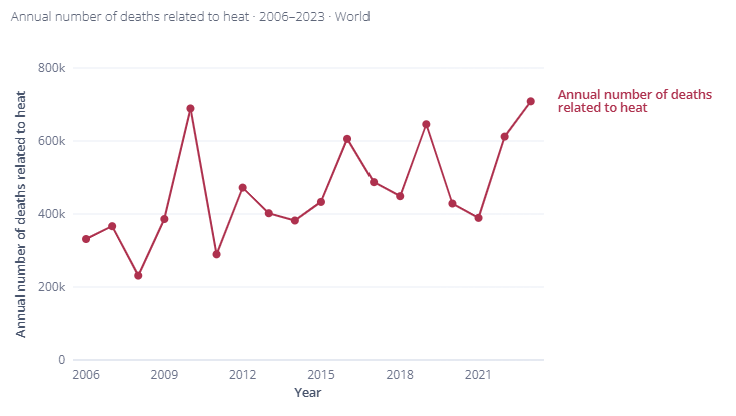
Heatwaves and other extremes have become more frequent and intense across the globe, while the global rate of heat-related mortality has increased by 23% since the 1990s. Heatwaves bring unusually hot days and nights, often leaving little opportunity for people, infrastructure and ecosystems to recover. Dangerous heat can also persist outside these episodes, particularly when high humidity makes it harder for the body to cool.
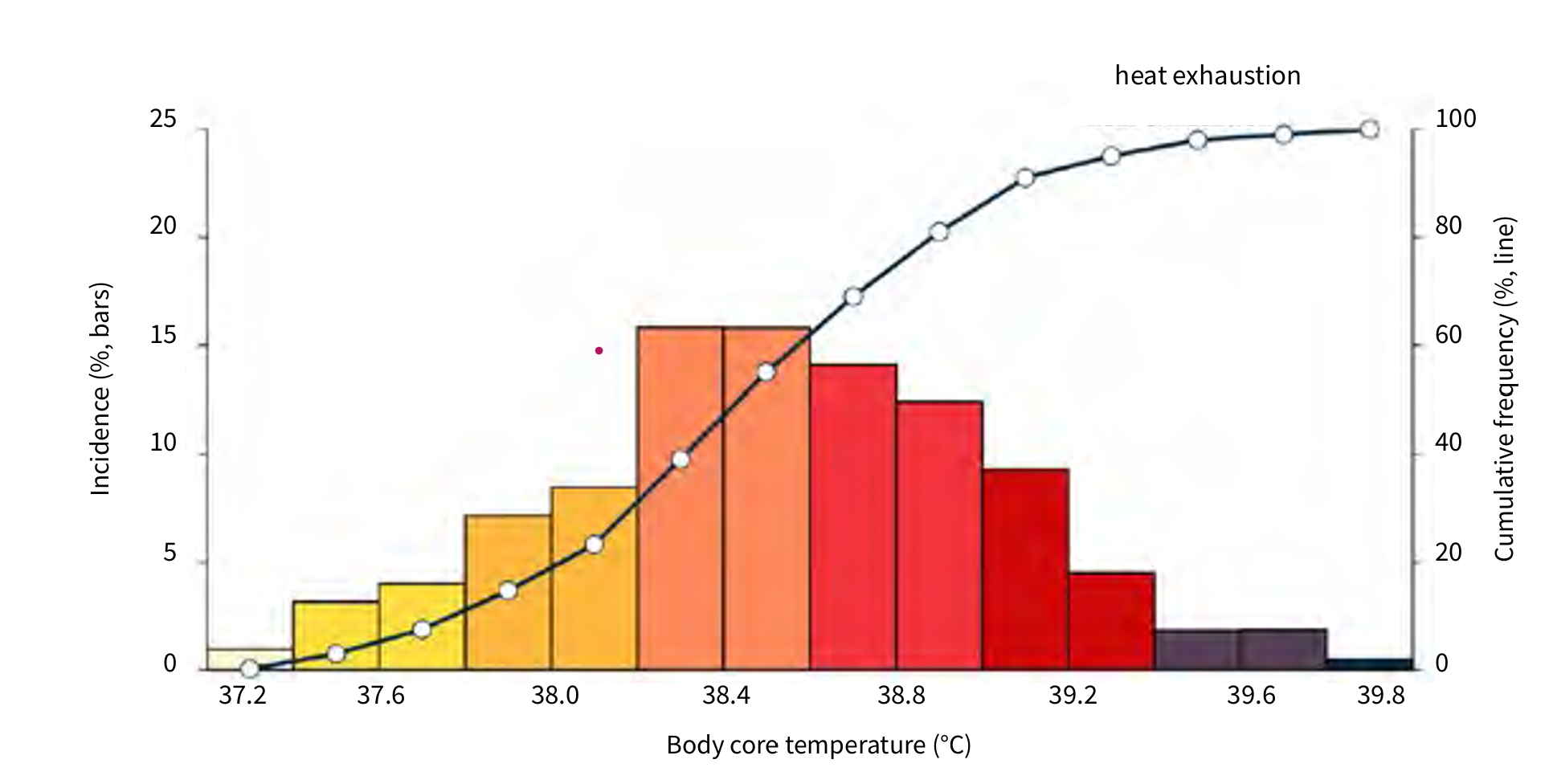
The consequences extend well beyond health. Extreme heat damages crops, reduces working capacity, disrupts transport and strains electricity and water supplies. A 2025 joint report by the World Meteorological Organization (WMO) and World Health Organization (WHO), Climate Change and Workplace Heat Stress, highlights the growing threat to workers' health and livelihoods, particularly in agriculture, construction and fisheries. Drawing on five decades of research, the report finds that worker productivity can decline by 2–3% for every degree of increase above 20°C in wet-bulb globe temperature, a measure that accounts for humidity, wind and radiant heat as well as air temperature. The report also highlights estimates from the International Labour Organization that more than 2.4 billion workers are exposed to excessive heat worldwide, associated with approximately 22.85 million occupational injuries each year.
When combined with drought and strong winds, heat also creates conditions in which wildfires can spread rapidly, threatening communities and exposing people far beyond the areas burned to harmful smoke.
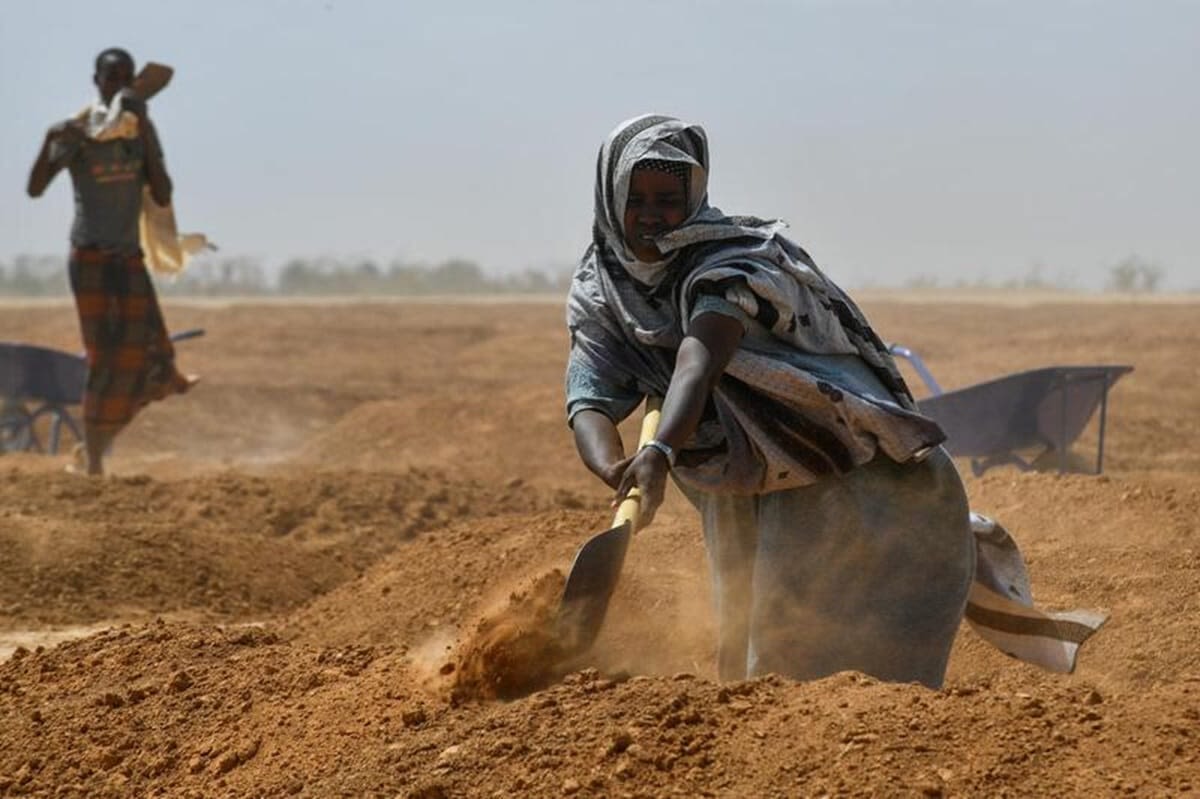
Recent heatwaves illustrate the scale of these risks. In 2024, temperatures reached 48.5°C in Mali, while prolonged heat across Asia damaged crops and livelihoods. In 2026, successive European heatwaves brought record temperatures and compounded pressure on water, energy and transport systems.
Forecasting heatwaves gives communities and economies time to prepare. Anticipating dangerous heat requires more than temperature measurements: humidity affects the body’s ability to cool and wind can bring relief. Observations from weather stations and balloons help forecasting models predict how these conditions will develop and how long they may persist. In some cases, reliable forecasts can provide more than a week of warning, allowing health services to prepare, employers to adjust working hours and farmers and transport operators to take precautions. By closing gaps in internationally shared observations, SOFF strengthens the information behind these forecasts, supporting earlier action to protect lives, livelihoods and essential services.

Heat-related mortality by Human Development Index (HDI) group, World Health Organization (WHO) region, or Lancet Countdown region, from 2006 to 2023. - Source: The 2025 report of the Lancet Countdown on health and climate change
Heat-related mortality by Human Development Index (HDI) group, World Health Organization (WHO) region, or Lancet Countdown region, from 2006 to 2023. - Source: The 2025 report of the Lancet Countdown on health and climate change

The incidence and cumulative frequency of heat exhaustion cases occurring for each 0.2°C rise in core body temperature while individuals perform moderate-intensity physical work under extreme heat stress conditions. The white circles and black line indicate the cumulative incidence of heat exhaustion. - Source: WMO & WHO Climate Change and Workplace Heat Stress Report.
The incidence and cumulative frequency of heat exhaustion cases occurring for each 0.2°C rise in core body temperature while individuals perform moderate-intensity physical work under extreme heat stress conditions. The white circles and black line indicate the cumulative incidence of heat exhaustion. - Source: WMO & WHO Climate Change and Workplace Heat Stress Report.

Heat wave causes havoc in Mali, 2024. Photo: African Perceptions
Heat wave causes havoc in Mali, 2024. Photo: African Perceptions

Spotlight: Europe’s Summer of 2026
Western Europe’s summer demonstrated why the duration of heat matters as much as its intensity. The region experienced a record average of 41 days of strong heat stress. Repeated heatwaves and prolonged dry conditions also contributed to extensive wildfires, particularly in Spain and France.
A man is seen cooling off at a spray mist fountain in Warsaw, Poland on 27 June, 2026. Photo: Fast Company
Europe experienced its lowest summer river flows in records beginning in 1992. Major rivers, including the Rhine, Danube and Rhône, reached record or near-record lows, disrupting freight transport and putting pressure on irrigation, nuclear reactor cooling and hydropower generation. At sea, marine heatwaves affected the Atlantic coast and Mediterranean, with unusually warm waters limiting nighttime cooling and increasing humidity in adjacent coastal areas. The summer showed how heat can combine with other hazards to affect lives and economic activity across an entire region.
The case for better data:
These forecasts depend on observations of temperature, humidity, wind and atmospheric pressure, collected at the surface and higher in the atmosphere. Together, they help forecasting models predict extreme temperatures, heat waves and dangerous heat-stress conditions
Natural Disasters
In 2025, natural disasters caused around 17,200 deaths and USD 224 billion in losses worldwide. Weather-related disasters accounted for 92% of those losses.
But preparedness makes a difference. Disaster-related mortality is nearly six times higher in countries with limited multi-hazard early warning capabilities than in those with more comprehensive systems.
The United Nations’ Early Warnings for All initiative aims to protect every person on Earth with an early warning system by 2027. Weather and climate observations are a foundational element of these systems, providing the data needed to produce reliable forecasts. SOFF is a delivery vehicle for strengthening this foundation, helping Least Developed Countries and Small Island Developing States close critical observation gaps and share data internationally.
Spotlight: cyclone Maila in Solomon Islands
When Tropical Cyclone Maila struck Solomon Islands in April 2026, around 150,000 people were affected. In some of the hardest-hit communities, two in three families lost their homes. The cyclone also disrupted livelihoods and access to food.
Photo: IOM, Solomon Islands, 2026.
The case for better data:
Effective early warnings depend on many elements working together. Internationally shared surface and upper-air observations are the starting point, feeding the models used to forecast extreme weather. Strengthening this foundation supports better forecasts and early warnings.
Wildfires
Wildfires are becoming an increasingly severe threat to communities, ecosystems and economies. Between January and August 2026, more than 634,000 hectares burned across the European Union — more than twice the 20-year average for this point in the year.
Wildfires destroy homes, livelihoods and natural habitats, and smoke can affect communities far from the fire itself. Each additional day of exposure to very unhealthy or hazardous wildfire smoke is associated with an 11% higher risk of severe respiratory illness requiring emergency care or hospitalization.
Spotlight: Bhutan forests
Forests cover more than 70% of Bhutan, supporting biodiversity, livelihoods and the economy. But wildfires are putting this natural wealth at risk.
Between 2023 and 2025, 274 forest fires affected more than 27,000 hectares, equivalent to around 1% of Bhutan’s entire forest area. In just five months, between November 2024 and March 2025, forest fires caused more than USD 6 million in timber losses alone.
Photo: Bhutan Broadcasting Service, 2025.
The case for better data:
Weather is a major factor in fire danger and fire behaviour. Observations of temperature, humidity, wind and precipitation help meteorologists monitor and forecast the conditions that can favor fires and their rapid spread.
Powering Economies
Weather can determine whether crops survive, goods reach markets or businesses recover from a disaster. For countries whose economies rely heavily on agriculture and other weather-sensitive sectors, that information is particularly valuable. Yet many of these countries have the least capacity to generate the observations on which forecasts depend.
Agriculture
More than 2 billion people depend on agriculture for their livelihoods, many of them smallholder farmers. Better forecasts help them protect their harvests and make scarce resources go further. Weather information guides decisions on when to plant and harvest, how much to irrigate, when to apply fertilizer and how to protect livestock. These decisions can reduce wasted inputs, lower production costs and safeguard incomes. A review of 25 studies across 11 countries in East and West Africa found that weather information improve crop yields and farmers’ incomes, provided they can access, understand and act on it.
When extreme weather strikes, the consequences can be enormous. Disasters cause an average of USD 99 billion in agricultural losses every year — around 4% of global agricultural GDP. In Africa, the relative burden is even greater, equivalent to 7.4% of agricultural GDP. For countries and communities that depend heavily on agriculture, limited access to reliable weather information can deepen existing economic vulnerabilities.
Acting before a crisis can bring substantial returns. FAO reports benefits of up to USD 7 for every USD 1 invested in risk-informed early action in agriculture, through avoided losses and additional benefits.
Spotlight: Madagascar’s harvests
In southern Madagascar, low rainfall and unusually high temperatures damaged crops during the 2026 growing season, contributing to below-average harvests.
For families already living with food insecurity, a poor harvest quickly reaches beyond the farm. In affected areas, one every three households were resorting to coping strategies such as selling livestock and other productive assets or consuming crops before they were mature.
Accessing water to grow crops is a constant concern for many farmers in southern Madagascar. Photo: UN News/Daniel Dickinson.
The case for better data:
Farmers cannot control the weather, but reliable forecasts can help them make informed decisions. Weather observations provide essential information for anticipating rainfall, temperature changes and other conditions that influence planting, irrigation and harvesting.
Transport
Transport keeps people, economies and essential supplies moving. When extreme weather disrupts roads, ports, railways or airports, the consequences can ripple far beyond the journey itself.
Land
In Africa, 80–90% of goods move by road, including food and essential supplies. Floods, landslides and extreme heat can cut vital connections, disrupting access to food, markets and essential services.
Air
Aviation relies on accurate weather forecasts to plan routes and manage disruptions. In 2026, weather-based operating procedures helped European aviation avoid nearly 2 million minutes of flight delays — equivalent to almost four years of cumulative delay time – by using meteorological forecasts and assessments to anticipate disruption and reroute traffic.
Sea
More than 80% of internationally traded goods travel by sea, making transport disruption a risk to global supply chains.
The case for better data:
Weather can determine whether people and goods can move safely by land, sea or air. Reliable observations underpin forecasts of heavy rain, storms, strong winds and other hazardous conditions, helping transport operators anticipate disruption, adjust routes and keep critical connections open.
Insurance
Weather is a major driver of risk for the insurance industry. In 2025, 97% of insured natural-disaster losses were caused by weather-related disasters.
Weather-related insured losses have increased by around 6% a year since 1970, driven largely by more people and higher-value assets being exposed to weather hazards. As risks change, insurers need to continually reassess how likely losses are, how large they could be and where they could occur. That information feeds decisions about premiums, coverage and how much risk insurers can take on.
The case for better data: Reliable weather and climate observations help build a clearer picture of hazards over time. Alongside historical loss records and risk models, they provide essential evidence for assessing potential losses and making informed insurance decisions.
 Built with Shorthand